A target camera for range safety officers gives staff a remote target view that can reduce unnecessary downrange checks, support instruction, and document range sessions. It does not replace range commands, visual line control, or a verified cold range.
- For 2026 range operations, Marksman is the safe pick for lanes up to 300 yards.
- LR-3 wins for long-range facilities and supports extra cameras through one receiver-based system.
- Ranger fits 100-yard lanes; Ranger+ covers target viewing up to 1,000 yards.
- Use target cameras to improve feedback, never to authorize downrange access.
- Choose screens, mounts, power, and camera placement as one operating system.
Who This Is For
This guide is for range safety officers, rangemasters, instructors, club officers, and facility managers choosing a camera workflow for public, private, indoor, or outdoor firing lines in 2026. The best system is not simply the model with the longest range. It is the setup that matches lane distance, target count, staff visibility, power access, and the facility’s written operating procedures.
Why This Matters
Remote target viewing can shorten the feedback loop between a shot and an instructional correction. An instructor can see a group from the firing line, a shooter can confirm an impact without leaving the bench, and staff can preserve a target image for coaching or match administration.
The safety boundary stays unchanged. Only the rangemaster or established range procedure declares the line cold. A camera image cannot confirm that every firearm is safe, every shooter is behind the line, or every person is clear of the range.
For 2026 operations, write the camera workflow into the same standard operating procedure that covers cease-fires, target changes, equipment placement, and damaged downrange devices.
What to Look For in a Target Camera for Range Safety Officers
Distance matched to each bay
Use the shortest system that fully covers the lane and provides operating margin. Ranger covers 100 yards, Marksman carries a 300-yard guarantee, Ranger+ reaches 1,000 yards, and LR-3 carries a 2-mile guarantee.
A mixed-distance facility may need more than one model. Do not force a 100-yard training bay and a 1,000-yard rifle range into the same equipment decision if their workflows differ.
A connection independent of facility internet
Longshot target cameras do not require cell service or existing Wi-Fi. That removes dependence on a guest network, weak outdoor coverage, or a congested clubhouse connection.
The viewing device still must join the correct Longshot network. Label systems by bay and include the network name in the 2026 setup card.
Multi-camera capability
Long-range facilities often need views of several targets or distances. Longshot’s LR-3 system can support additional programmed cameras, with up to four cameras connected to one compatible system according to the current product information.
Multi-camera setups need strict naming. “Camera 1” is not enough; use bay, distance, target number, and date.
A screen staff can read quickly
A phone works for one shooter. A shared 11-inch tablet is easier for an instructor, RSO, or small group to read without crowding the firing point.
Mount the display where it does not block controls, range commands, egress, or the shooter’s position. Turn off unrelated notifications and lock the device to the range workflow where practical.
Stable, protected placement
The camera must be outside the direct line of fire and positioned according to the product instructions. Target-frame movement, fragments, wind, tripod stability, and vehicle access all affect the final location.
Watch Longshot’s official Where to Place Your Target Camera before approving a standard setup. Mark repeatable tripod locations only after the range has tested them safely.
Clear records and staff training
The Longshot app can mark and number shots, save photos, review sessions, and record video or stills. Those tools are useful only when staff use a consistent naming and retention process.
Watch the official Longshot app tutorial during 2026 staff onboarding, then run a hands-on drill before using the camera with customers or students.
Top Picks for Range Operations
Marksman: The Safe Pick for Standard Rifle Bays
The Longshot Marksman carries a 300-yard guarantee, uses 2688 x 1512 imagery, and lists 9+ hours of runtime. It includes a camera, soft case, tripod, and charger.
Marksman fits clubs and commercial ranges where most target checks happen between 100 and 300 yards. The camera sits near the target, so staff are not trying to read impacts through the full mirage path.
Verdict: Buy for dedicated lanes up to 300 yards.
LR-3: The Long-Range Facility Pick
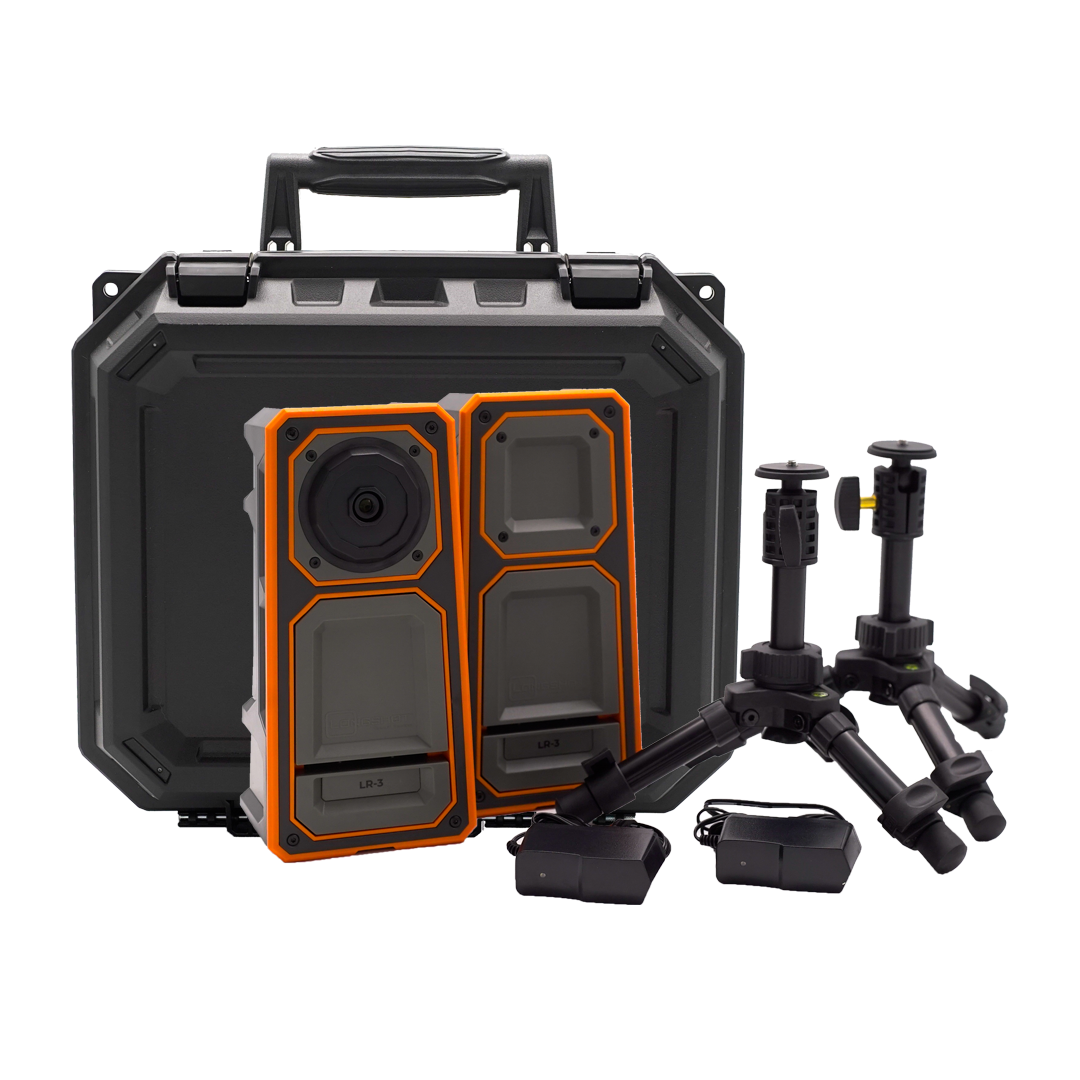
The Longshot LR-3 carries a 2-mile guarantee and includes a camera, receiver, hard case, two tripods, and two chargers. It uses 2688 x 1512 imagery and lists 9+ hours of runtime.
LR-3 is the stronger 2026 choice for long-range bays, ELR practice areas, and facilities planning multiple compatible cameras. The receiver-based layout supports a longer link and more structured multi-target use.
Verdict: Buy for ranges beyond 1,000 yards or facilities building a multi-camera long-range system.
Ranger: The Compact 100-Yard Pick
The Longshot Ranger is the compact choice for 100-yard target viewing. It suits indoor rifle bays, pistol-caliber carbine lanes, sight-in areas, and short training ranges where a long-distance receiver system adds unnecessary complexity.
Ranger keeps the operating concept simple: place the camera safely, connect the viewing device, and review impacts from the line.
Verdict: Buy for fixed 100-yard use.
Ranger+: The Flexible Mid-Range Pick
The Longshot Ranger+ extends the compact Ranger format to target viewing up to 1,000 yards. It fits facilities that change target distance frequently or need one portable system for several rifle bays.
The 2026 decision comes down to margin. If the farthest planned target is close to 1,000 yards or terrain creates a difficult link, compare Ranger+ with LR-3 before standardizing.
Verdict: Consider for portable use from 100 to 1,000 yards.
Hawk: The Firing-Line Alternative
The Longshot Hawk fits spotting-scope eyepieces from 36mm to 58mm, sends 1920 x 1080 video to the app, and lists 12+ hours of runtime. It keeps the camera at the firing line instead of near the target.
Hawk is useful where downrange electronics are impractical or when one spotting scope must serve several nearby targets. Image quality still depends on the spotting scope, focus, atmosphere, and target distance.
Verdict: Consider for firing-line instruction and facilities that prohibit portable electronics near targets.
What to Avoid
Using the screen as a safety signal
A quiet camera feed does not prove the range is cold. Keep the camera outside the command chain.
Buying one model for every bay
Standardization is helpful until it creates the wrong tool. A 100-yard indoor bay and a 2-mile ELR range need different placement, protection, and link planning.
Leaving equipment ownership unclear
Assign charging, placement, connection checks, file handling, and damage inspection to named roles. Shared equipment without an owner arrives uncharged.
Mounting before testing fragment paths
A convenient tripod mark can be a poor long-term location. Test target-frame movement, splash, sight lines, and maintenance access before making placement permanent.
2026 Verdict Comparison
| Model | Rated distance | Best range use | Runtime listed | Verdict |
|---|---|---|---|---|
| Ranger | 100 yards | Short training and sight-in bays | Check current product page | Buy for 100 yards |
| Marksman | 300 yards | Standard rifle bays | 9+ hours | Best general RSO pick |
| Ranger+ | 1,000 yards | Portable mixed-distance use | Check current product page | Consider |
| LR-3 | 2 miles | Long-range and multi-camera systems | 9+ hours | Buy for long range |
| Hawk | Optic-dependent | Firing-line spotting-scope view | 12+ hours | Consider |
Operating Workflow for RSOs
- Assign each camera to a bay and target.
- Charge and pair the complete system before opening.
- Place cameras only during an authorized cold range.
- Confirm full-target framing from the firing line.
- Name sessions by date, bay, lane, and shooter or class identifier allowed by policy.
- Save only the records required by the 2026 training or facility process.
- Power down, inspect, clean, and return every component to its assigned case.
The official Blinker Shot Locator demonstration is useful staff training for identifying fresh impacts without losing the full target context.
For an owner’s field perspective on long-range remote viewing, read Reflections of an ELR Camera User.
Watch Longshot in a structured training session
The official Rob Furlong training video shows how shared target visibility supports coaching, shot calls, and a controlled firing-line workflow.
Watch Longshot Cameras’ Rob Furlong Training, then apply the range-control checklist above to your bays.
FAQ
What is the best target camera for range safety officers?
Marksman is the best general pick for dedicated bays up to 300 yards. LR-3 is the better choice for long-range or multi-camera facilities.
Can a target camera replace a cease-fire?
No. A target camera never replaces a cease-fire, range command, firearm inspection, or confirmed cold line.
Do Longshot cameras need range Wi-Fi?
No. Longshot target cameras create their own connection and do not require cell service or existing Wi-Fi.
Can one LR-3 system show multiple targets?
Yes. Compatible extra cameras can be programmed into an LR-3 system, with current product information supporting up to four cameras on one system.
Which target camera fits a 100-yard indoor range?
Ranger is the direct 100-yard option. Marksman also covers 100 yards when the facility wants more distance capacity.
Can RSOs save target images for instruction?
Yes. The Longshot app supports saved photos, marked shots, video, stills, and session review; the range should define its own retention and privacy policy.
Where should a range mount a target camera?
Place it according to the model instructions, outside the direct line of fire and tested fragment paths. Final placement must fit the facility’s written safety process.
One Last Thing
The best 2026 range camera system is the one staff can set up the same way every morning. Distance matters, but labeled cases, assigned charging, approved tripod marks, and one written command-safe workflow determine whether the equipment helps the firing line.
Share:
Wi-Fi Spotting Scope Camera Without Internet
How to Protect Your Rifle With a Cover (2026 Guide)